
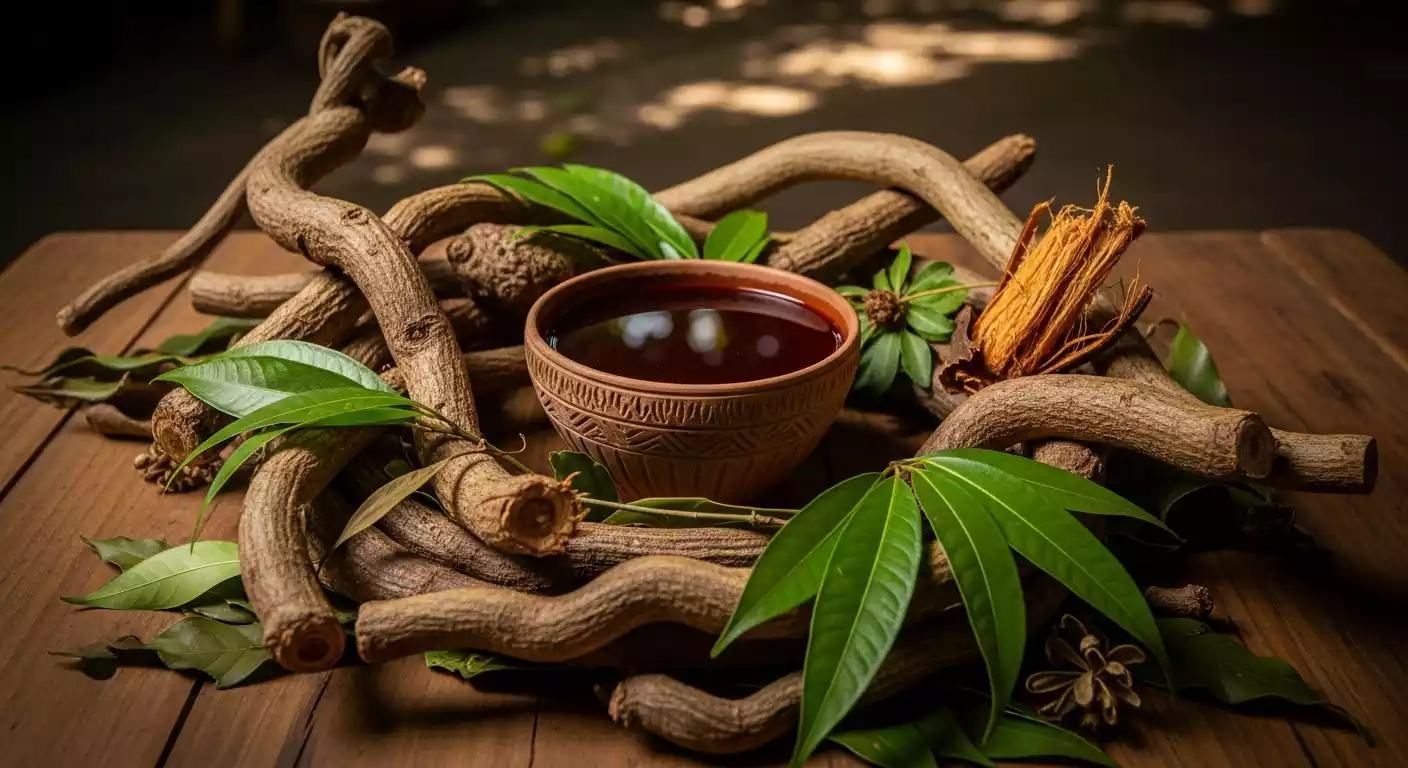
Ayahuasca (pronounced eye-ah-WAH-ska) is a psychoactive, plant-based brew that has gained global attention for its profound effects on consciousness and its potential therapeutic properties. Originating in the Amazon rainforest, this sacred decoction is steeped in centuries of indigenous tradition, spiritual practice, and medicinal use.
If you are curious about this powerful “vine of the soul,” this beginner’s guide will break down its origins, ingredients, effects, and the important considerations for its use.
The Ancient Origins of Ayahuasca
Ayahuasca’s history is deeply rooted in the shamanic and traditional medicine practices of indigenous communities throughout the Amazon basin, particularly in countries like Peru, Brazil, Colombia, and Ecuador. The word itself comes from the Quechua language, where “aya” means spirit, soul, or dead body, and “waska” means rope or woody vine. It is often translated as the “liana of the soul” or the “vine of the dead.”
For these communities, Ayahuasca is more than just a psychoactive substance; it is a sacred plant teacher, used by shamans (or curanderos) for:
- Spiritual and religious rituals: Facilitating communication with the spirit world.
- Healing and Diagnosis: Identifying and treating physical and spiritual ailments.
- Insight and Personal Growth: Providing profound self-awareness and life guidance.
The earliest documented uses are debated, but archaeological evidence suggests its use may date back thousands of years.
What is Ayahuasca Made Of? The Chemistry Explained
The brew is traditionally made by combining two primary ingredients:
1. The Ayahuasca Vine (Banisteriopsis caapi)
This vine contains powerful compounds called beta-carbolines (specifically harmine, harmaline, and tetrahydroharmine). These compounds are a type of Monoamine Oxidase Inhibitor (MAOI).
2. The DMT-Containing Plant
Most commonly, the leaves of the Chacruna shrub (Psychotria viridis) are used. These leaves contain the potent hallucinogenic chemical N,N-dimethyltryptamine (DMT).
The Synergistic Effect
DMT is normally broken down rapidly by enzymes in the human digestive system and liver called Monoamine Oxidases (MAOs), which prevents it from entering the bloodstream and reaching the brain when consumed orally.
The genius of the traditional preparation lies in the combination: the MAOIs from the B. caapi vine temporarily inhibit the MAO enzymes, allowing the DMT from the P. viridis leaves to become orally active and produce its characteristic psychedelic effects.
The Ayahuasca Experience: Effects and Duration
The effects of Ayahuasca typically begin 20 to 60 minutes after ingestion and can last for 4 to 6 hours. The experience is highly subjective and depends greatly on the individual’s “set” (mindset, expectations, and intentions) and the “setting” (the environment).
Psychological and Spiritual Effects
Participants often report an intense, introspective, and transformative journey. These effects can include:
- Vivid Visualizations: Seeing vibrant, often geometric, patterns and scenes.
- Profound Introspection: Gaining deep insight into one’s life, emotional traumas, and behavioral patterns.
- Emotional Intensity: Experiencing powerful emotions, which can range from euphoria and interconnectedness to anxiety, fear, and confronting difficult memories.
- Mystical Experiences: Feeling a connection to a higher consciousness, nature, or the universe.
Physical Effects (The “Purge”)
The experience is often accompanied by challenging physical symptoms, collectively known as the “purge.” These are considered by many to be an essential part of the spiritual cleansing process:
- Nausea and Vomiting
- Diarrhea
- Increased heart rate and blood pressure
Potential Therapeutic Benefits
In recent years, Ayahuasca has attracted significant interest from the scientific and medical community for its potential to treat certain mental health conditions. While research is still in early stages, some studies suggest benefits for:
- Depression and Anxiety: Some evidence points to a rapid and sustained antidepressant effect after a single dose.
- Substance Use Disorders: It may help individuals address underlying trauma and shift their perspective, leading to reduced cravings for substances.
- Post-Traumatic Stress Disorder (PTSD): The introspective nature of the experience may help process traumatic memories.
- Psychological Well-being: Long-term users in traditional settings report improvements in mood, mindfulness, and a greater overall sense of meaning and purpose.
Safety and Legal Considerations
It is crucial for beginners to understand the risks and legal status before considering an Ayahuasca experience.
Health and Safety Warnings
- Drug Interactions: Due to its MAOI content, Ayahuasca can have potentially fatal interactions with many common medications, including most antidepressants (SSRIs, SNRIs), certain cough medicines, and other psychoactive substances. A strict pre-ceremony diet and medication-free window is mandatory.
- Mental Health Risks: It can trigger or worsen underlying psychotic conditions like schizophrenia or psychosis in predisposed individuals.
- Cardiac Issues: The increase in blood pressure and heart rate can be dangerous for individuals with pre-existing heart conditions.
The Importance of Set and Setting
Ayahuasca should only be consumed in a supervised, traditional, or clinical setting led by an experienced and trustworthy shaman or facilitator. Using it in an uncontrolled or recreational environment significantly increases the risk of negative psychological and physical outcomes.
Legal Status
DMT is classified as a Schedule I controlled substance in the United States and is illegal in many other countries. While its ritual use is sometimes protected under religious freedom laws in specific contexts, its possession, import, and sale are generally illegal outside of South American countries where its traditional use is tolerated.
Should You Try Ayahuasca?
Ayahuasca is a powerful, sacred, and deeply serious tool, not a recreational drug. For a beginner, the decision to engage with the sacred brew requires careful thought, research, and respect for the tradition.
If you are considering an experience, the most critical steps are:
- Consult a Medical Professional: Discuss your health history, especially any physical or mental health conditions, and current medications.
- Thorough Research: Seek out experienced, reputable centers and facilitators who honor the traditional indigenous context.
- Establish Clear Intentions: Approach the experience with sincerity, respect, and a clear goal for self-development or healing.
Would you like me to look up the legal status of DMT/Ayahuasca in a specific country, or perhaps find more information on the dietary restrictions (dieta) often associated with Ayahuasca ceremonies?